Away From Her by Sarah Polley

Away From Her by Sarah Polley
In-venue Programme
In-venue Screening
 Date
Date
18 January 2026 (Sun), 4:50pm
 Venue
Venue
Language: English
Duration: 110 minutes
Online Screening
Date
Language: English
Duration: 110 minutes
Partings come—upon death, and before. “I think I may be beginning to disappear.” Fiona, a dementia patient, stops mid-sentence, unsure about what she wanted to say. Distant memories may flash into her mind, but what happened yesterday eludes her. Memories make us who we are; but when all memories are gone, who could “I” be? Fiona has been
Fiona has been married to Grant for 40 years. Her sweet memories of him have become an integral part of herself. When it dawns on her that her illness is causing memory decline, Fiona decides to move into a nursing home before the situation spirals out of control.
There is a rule at the nursing home: no visitors are allowed in the first 30 days for the new resident to adjust. What harm could it do for a close couple who have been together for decades? Dementia’s disease, nonetheless, is the most difficult riddle. On the 31st day, Grant can finally be reunited with his wife. When their eyes meet, she greets him—only in a way as if they were complete strangers.
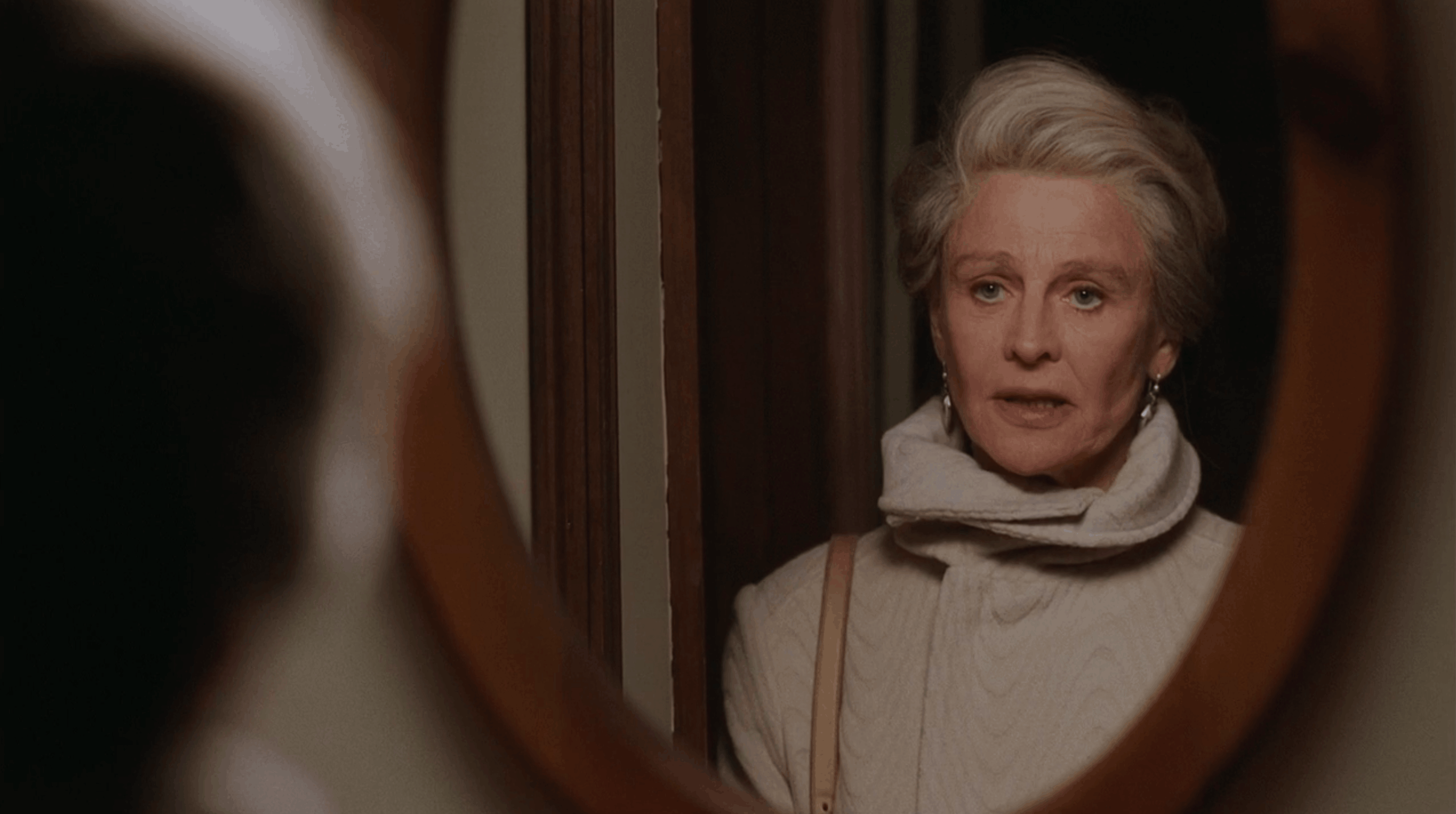
Memory cannot triumph over illness. The tale built on four decades of affection can indeed crumble like a snowslip. Now Fiona is happy with her new life. Aubrey, another nursing home resident, is whom her heart belongs to. As his wife becomes inseparable from someone else, Grant, reduced to a stranger, cannot help but ask why. “He doesn’t confuse me at all,” says Fiona.
Holding onto something lost only hurts more, memory is Grant’s worst enemy. Then one day, Aubrey is taken back home by his own family. Fiona sinks into despondence, as much as Grant, who first found himself losing his loved one. To bring a smile back to his wife, Grant bears all the pain and begs for Aubrey’s return… Memory, winding as a railroad, eventually leads to happiness.
Away From Her is an adaptation of award-winning Canadian author Alice Munro’s short story, The Bear Came Over the Mountain. The first feature film directed and scripted by Sarah Polley at age 27, it won multiple directing awards in Canada and received an Academy Award nomination for Best Adapted Screenplay.
According to recent statistics from the Department of Health, one in ten senior citizens aged 60 or above in Hong Kong suffers from dementia. Other studies estimate that by 2036, the number of dementia patients aged over 60 will rise to 280,000. A primary cause identified by the medical profession is the abnormal accumulation of amyloid plaques and tau tangles in the brain, which leads to gradual degeneration and eventual death of brain cells. However, many mysteries remain unsolved, making dementia a common and hard-to-prevent disease among older adults.
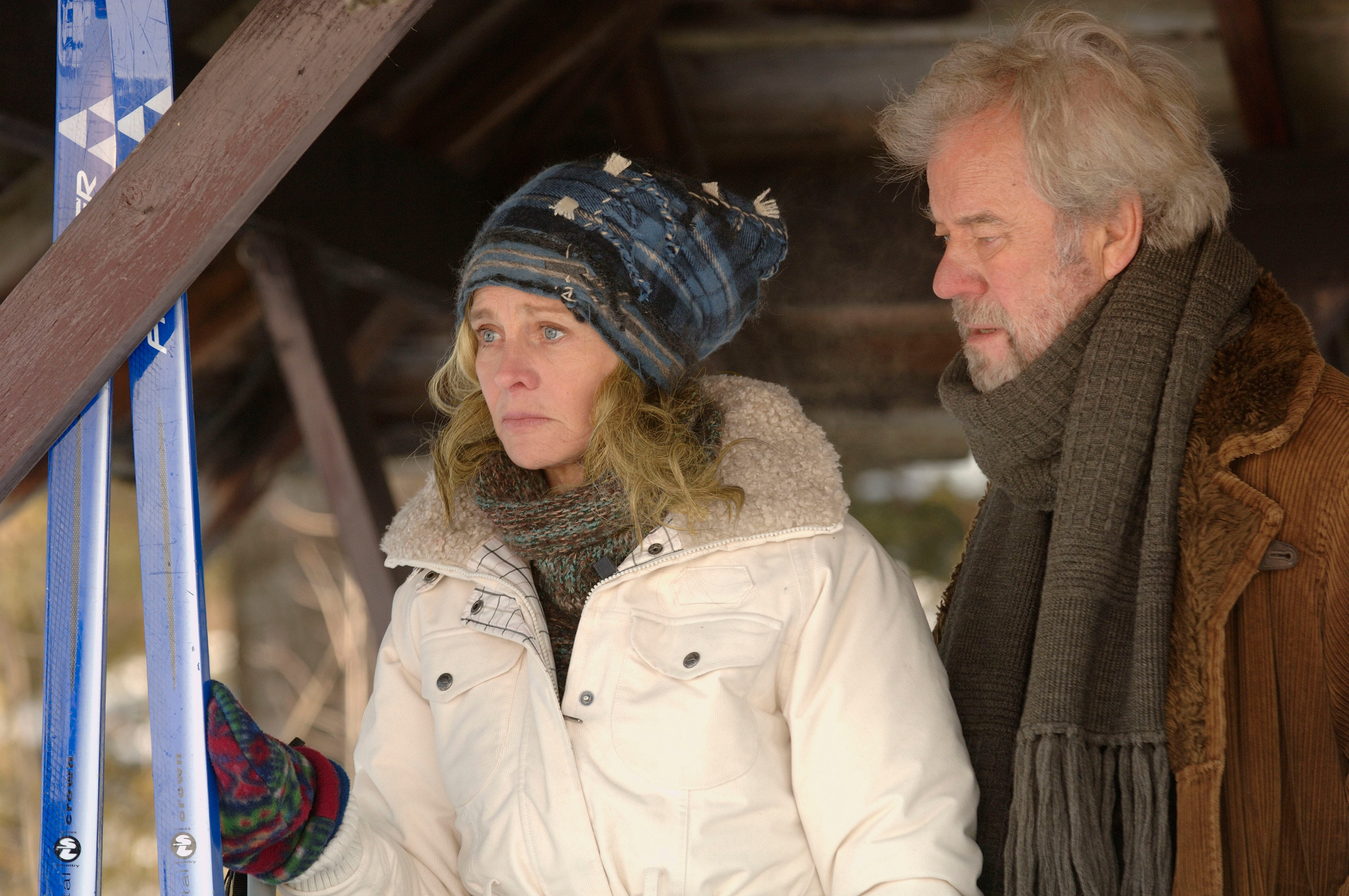
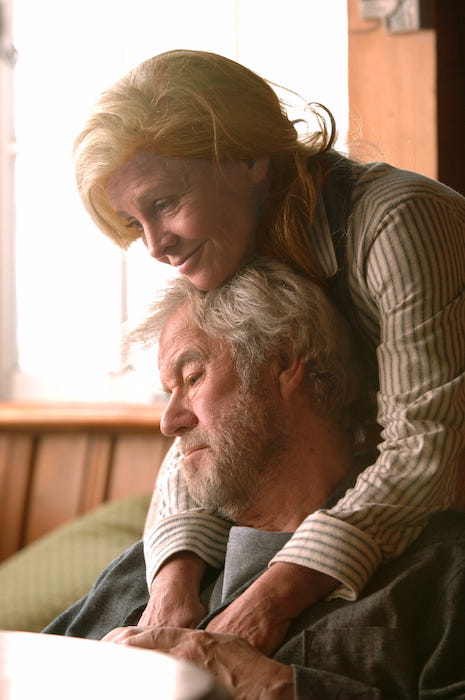
At the centre of the Canadian film Away From Her is an elderly couple devoted to each other. When Fiona finds herself slipping into dementia, she asks to be sent to a nursing home, hoping to ease the burden on her husband, Grant.
The film does not dwell on the misfortune or desperation associated with illnesses, nor does it seek the audience’s sympathy yet traces Fiona’s memory loss with a restrained, unsentimental gaze. Its objective portrayal of the patient–caregiver relationship, and the pressure and hurdles they face, offers much food for thought. “Elderly on elderly care” is common among families with dementia patients. Even though some aged caregivers are still in good health, the financial and mental stress can still be daunting. In the film, Grant has no major health issues but feels perplexed and helpless. For example, he strongly resists sending Fiona to the “critical care unit” of the nursing home, which he sees as reserved only for the incurably ill. Given how subtle psychological and mental health shifts can be, do we actually notice and pay attention to them in our daily lives?
For no apparent reason, dementia can arrive randomly as we age. Grant once asked, “Why her?” and even wondered whether his wife’s newfound affection was an act of “revenge” against him. Yet his doubts go unanswered. All he can do is accept what has happened, fully appreciating the joy and beauty of the present moment in this transient life, much like the winter sunshine that quietly bathes the nursing home in the film.

Director Sarah Polley
Sarah Polley is an award-winning Canadian actor, writer, director and producer. She has directed the dramatic features Away from Her (2006), Take This Waltz (2011) and Women Talking (2022, Academy Award for Best Adapted Screenplay). Her autobiographical Stories We Tell (2012) was awarded Best Documentary by the Toronto Film Critics Association, the New York Film Critics Circle, the National Board of Review and the Los Angeles Film Critics.