Lapse by Caroline Cavalcanti

Lapse by Caroline Cavalcanti
In-venue Programme
In-venue Screening
 Date
Date
1 March 2026 (Sun), 5:45pm
7 March 2026 (Sat), 3:10pm
8 March 2026 (Sun), 3:10pm
 Venue
Venue
Language: Portuguese
Duration: 25 minutes
Online Screening
Date
Language: Portuguese
Duration: 25 minutes
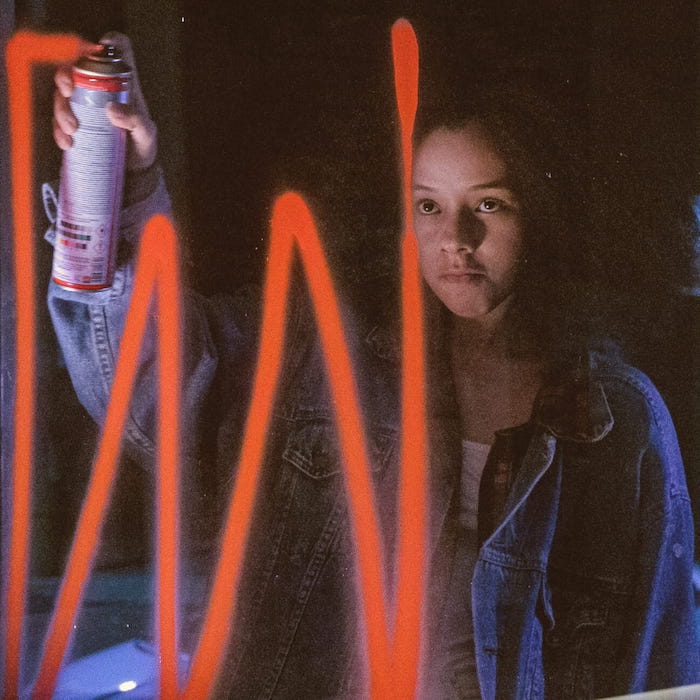
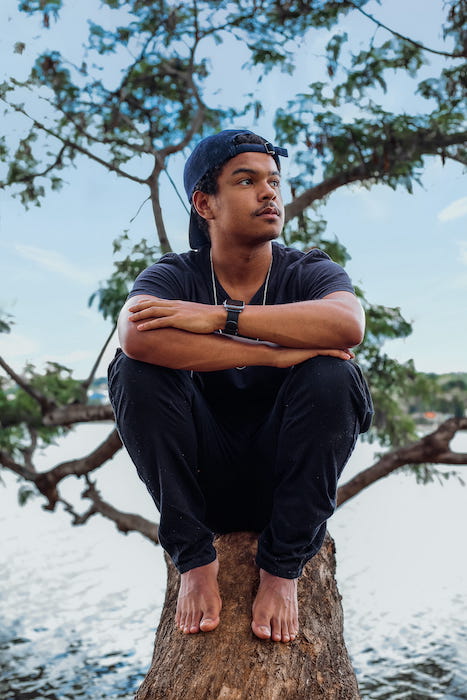
In the suburbs of Belo Horizonte, Brazil, teenagers Bel and Juliano cross paths with each other while rendering social service at a library for the acts of vandalism they committed. Bel, with hearing impairment, is a skateboarder and artist, whereas Juliano has a passion for rap and makes audio recordings of his daily life. Differences are no obstacle to the growing resonance they share. As they spend time together flipping through books, exchanging sign language, and savouring grandma’s pastry under the librarian’s surveillance, love begins to blossom. Lapse deftly captures the bewilderment of adolescence, discontent toward the government, the hope the teenagers bring each other, and their courage in trying to make themselves heard. The short film is not only a portrait of young people in Brazil, but also a universal reflection on the younger generation in search of self-identity and connection with others.
Director Caroline Cavalcanti trains her lens on the lives of people away from the big cities. Location shooting took place in Santa Luzia and Lagoa Santa, as well as Kasa Invisível, an anticapitalist occupied social centre. Since becoming hard of hearing as an adult, she has developed unique and varied experiences with sound. In Lapse, she makes skilful use of the contrast between stillness and motion, sound and silence. By juxtaposing the abundance of motion in rap music, audio recording and skateboarding with the quietude of the library and sign language, she conveys emotions and intertwines language with the body, making it clear that communication can happen in a myriad of forms.
Lapse received a Special Mention at the 74th Berlin International Film Festival in 2024, in recognition of its nuanced portrayal of marginalised youth in their quest to rise above constraints.
My short film revolves around the budding romance between two teenagers. I meant to talk about affection and resistance, and how time becomes distorted for those living on the margins. Adolescence, especially for the underprivileged, always feels like being on the verge of ending or crumbling. The love story emerges to offer room for suspension and possibility. I wasn’t interested in an idealised narrative, but in one that embraces flaws, impulses, and the desire to live fully in those fragments of time. Despite the criminal elements in the film, love is still possible in contexts marked by violence or exclusion. These two characters are seen as deviants, but it is precisely in their encounter that something blossoms. It’s about recognising that affection can also be a form of resistance. Love here is not salvation; it’s a crack, and a path.
The cast is one of the film’s main pillars. They are amazing. Before shooting, we rehearsed with the actors intensively but gave them much freedom at the same time. I believe that filmmaking is a collaborative effort, where the cast also takes part in its creation. The lead actress, for example, brought a lot of first-hand experience to the character, which gave her performance an authenticity that comes about only when fiction melds with lived experience. Additionally, seven members of our cast and crew live with hearing impairment. Having actors with diverse life experiences, and developing a cinematic language that accommodates these differences, is an integral part of the film, both in terms of technical and sensory value. As I also have hearing loss myself, I have long aspired to develop narrative techniques that can accommodate different ways of thinking.
Abridged, translated and edited from an interview titled “Sieben Fragen an Caroline Cavalcanti” in Testkammer, provided by the director.
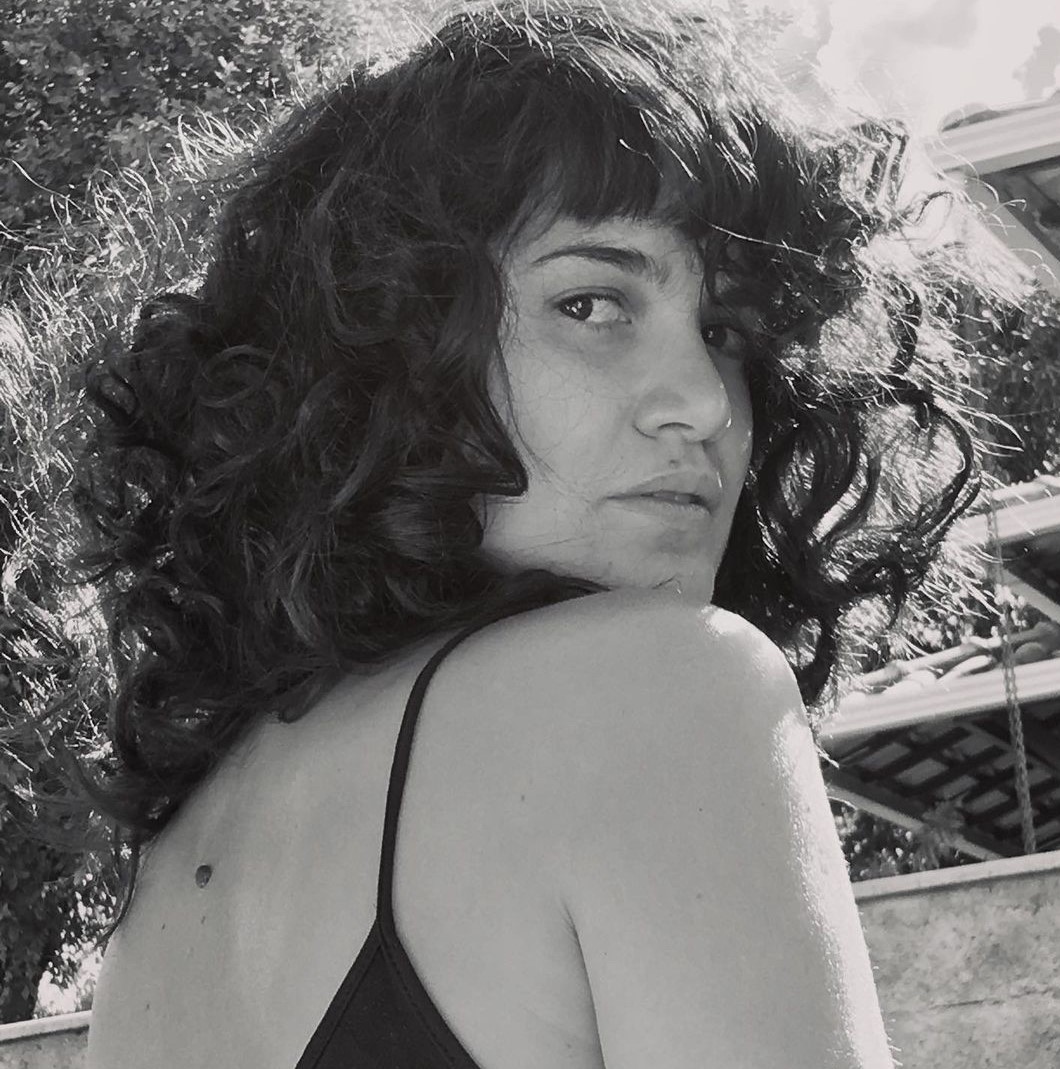
Director Caroline Cavalcanti
Brazilian director and screenwriter Caroline Cavalcanti is inspired by the country’s independent cinema scene. After becoming a hard of hearing person as an adult, she has experienced different relationships with sound. In 2020, she received the Cardume Cabíria award for her screenplay Zero Decibel. She is the creator of the web series Absurdas, which was nominated for the Best Original Idea at the 2022 Rio Webfest. In 2023 she received the Best Director award at the Kinoarte Film Festival, Brazil for her short film Lapse.