

A Space in Time by Riccardo Servini and Nick Taussig

A Space in Time by Riccardo Servini and Nick Taussig
In-venue Programme
In-venue Screening
 Date
Date
18 January 2026 (Sun), 3:20pm
 Venue
Venue
Language: English
Duration: 88 minutes
Online Screening
Date
Language: English
Duration: 88 minutes
"Does ice cream make the muscles get better, daddy?"— "It maybe could do."
"Don’t you think it’s getting better?"— "Son, I don’t think it is getting better. I’m not being negative about it."
"Daddy, I wanna play football with my friends." — "You know what? There are games you can play in wheelchairs."
These are typical conversations between Nick and his two sons, Theo and Oscar, both born with Duchenne muscular dystrophy. The disorder causes muscle weakness and wasting, lowered respiratory and cardiac function, and even shorter life expectancy or eventual death. Marked by an intimacy found in home videos, the documentary film A Space in Time uses family dialogue and candid interviews to tenderly portray the daily life of Nick, his wife Clara, and their children—a family living with the hereditary disease. “We talk about death openly to our boys.” Nick never hides the hardships life has in store for his kids, all the while trying to build a brighter future for them. Thanks to assistance from a building company, the family is blessed with a barrier-free home tailored to their needs, with space for two wheelchairs, which will become a necessity.
From the challenges in marriage, division of family roles, to struggles about the arrival of a new member, the film shows with ordinary footage how the family lives and thrives with a chronic condition, turning the mundane into something special. The directors neither evade the pains brought by the disease nor wallow in sentimentality. Gently, their handiwork unravels how love, bonds and resilience blossom in a seemingly hopeless battle against illness.
The film also features reflections from other families, acknowledging the fact that the disease currently has no cure. “How to live fully”, however, has become centrally important to what they confront, discuss and practise every day. “If you know they’re not gonna be with you for so long, you suddenly realise that basically you were kind of living rather blindly through life and you suddenly wake up,” says Nick. As the brothers try moving around in wheelchairs and playing with their mates, the delicate tension between “difference” and “inclusion” becomes evident. “Disability” is only a human condition; it is, contrary to common perception, not inferiority.
An Intimate Journey with a Family Living with Duchenne
From the very beginning, we did not want A Space in Time to become a conventional “illness documentary”, or to be reduced to medical facts or a narrative of tragedy. By the time we came on board, Nick and his wife Clara had already taken a massive amount of footage with mobile phones. We spent considerable time reviewing the footage, trying to know more about the extraordinary circumstances they are facing. With that done, it took months before we gathered ourselves and began to explore with Nick how to best present this story. We did not want the film to just feel like home videos; we wanted to ask big questions, so we resolved to elevate the film and to start shooting more cinematic vignettes that we could use to help it breathe. The measured pace allows our audience to process the big questions, the candid interviews and intimate footage.
Telling the story of the two boys was both the greatest responsibility and challenge. Our aim was to honour the boys’ inner worlds and the rhythms of their daily lives. And then when we were talking to older people with the condition, we started framing the kids’ story within a much broader social context to explore accessibility, the architecture of care, society’s response to differences and the social model of disability.
Jon is one of the oldest people in the UK living with Duchenne. The way he spoke about the Social Model of Disability and how he lives his life gave us the confidence to explore bigger themes. “The hurdle comes from the environment and society you are in rather than your actual condition,” he said. I believe if we all contemplate his remark seriously, we will be able to change the way the entire society perceives and approaches disability.
Even though the film raises many complicated questions and themes, in today’s world, where empathy is gradually fading, I think it is important to strip things back to the power of love.
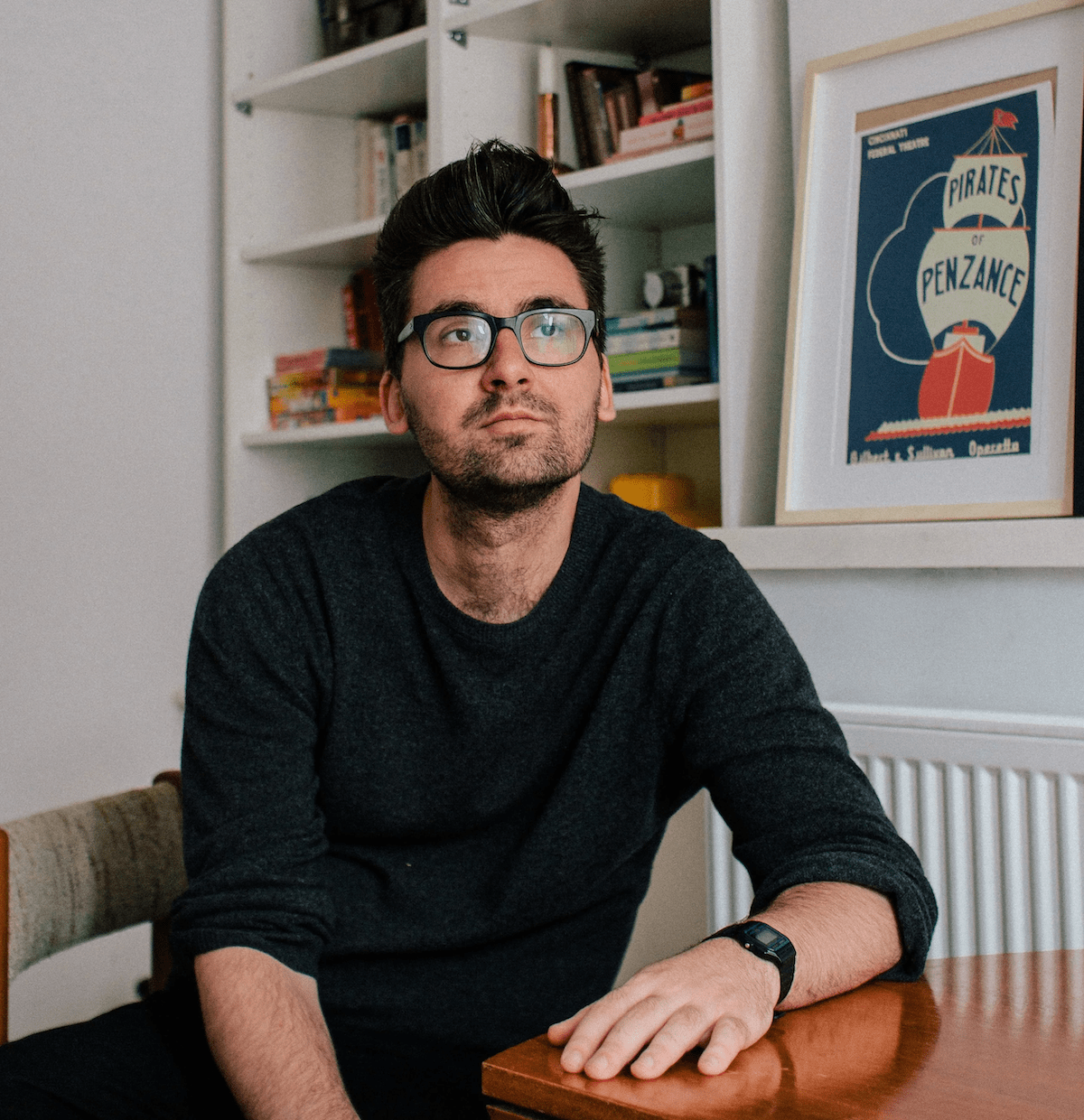
Director Riccardo Servini
Director, producer and editor Riccardo Servini works in documentary and fiction. A full BAFTA member, he has a keen interest in supporting underrepresented stories and talent. Servini has worked across all sectors of the industry for over 15 years, working with companies such as Netflix, BBC, Apple, ITV, BFI, Channel 4 and many more. He has directed two feature documentaries, Grierson-nominated “A Space in Time”and the LVFF award-winning“Dwarf Story”.
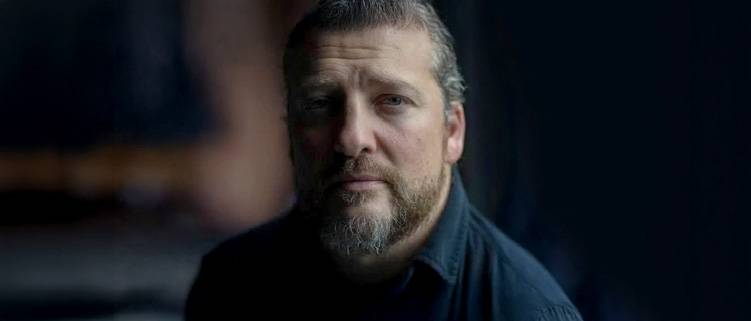
Director Nick Taussig
Nick Taussig is a producer, director and writer. As a producer he has worked on a number of award-winning documentaries and feature films, including the BAFTA-winning Killing Escobar and the BAFTA-nominated Charlie Mackesy:The Boy, the Mole, the Fox, the Horse and Me. With Riccardo Servini, he directed the feature documentary A Space in Time. The author of four novels, Taussig has also written for a number of publications, including The Guardian, The Independent and Huffington Post.


