Zer-Brech-Lich by Alessandro Schiattarella and Ensemble
Zer-Brech-Lich by Alessandro Schiattarella and Ensemble
In-venue Programme
 Date
Date
13 March 2026 (Fri), 3pm※ & 8pm*
14 March 2026 (Sat), 3pm^ & 8pm*
15 March 2026 (Sun), 3pm^
※Student Matinee
^Pre-performance Touch Tour
*Post performance Meet-the-Artist
 Venue
Venue
- Approx. 75 mins with no interval
- Performed in English
- Relaxed Performance
- Please switch off all sound-making and light-emitting devices.
- Unauthorised photography or recording of any kind is strictly prohibited.
In-venue Screening
Online Screening
The Sound Before the Glass Hits the Floor
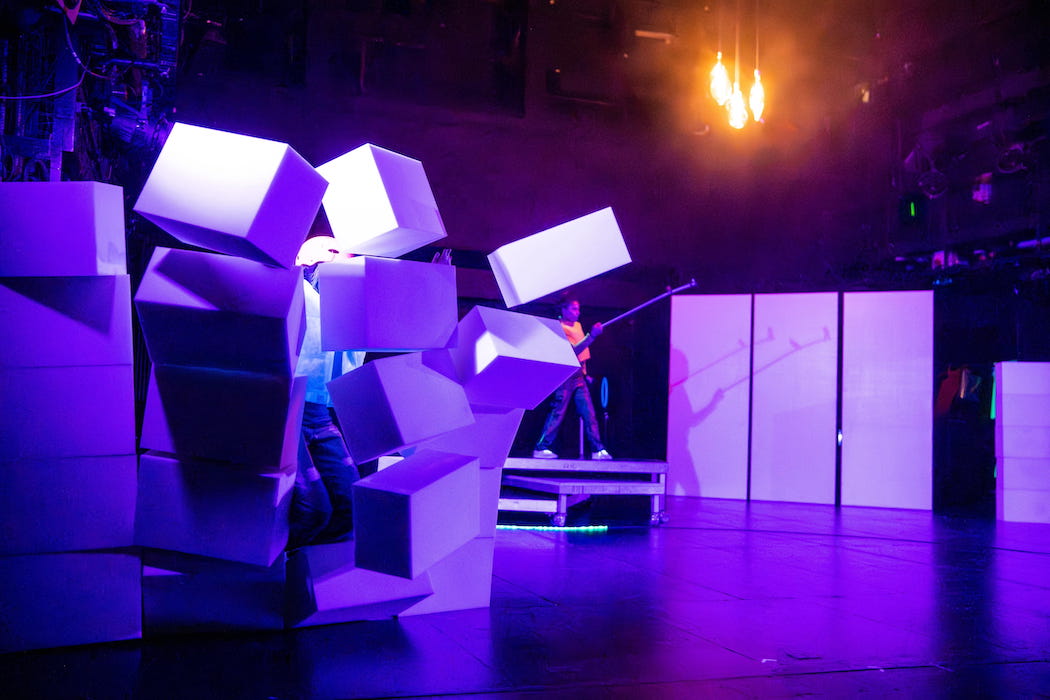
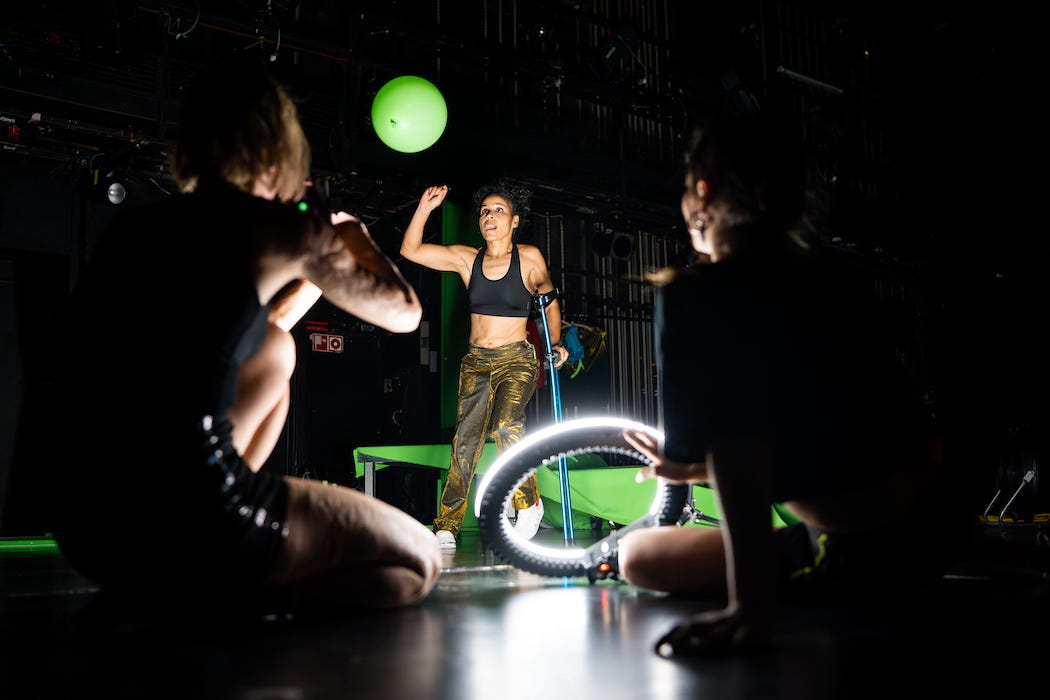
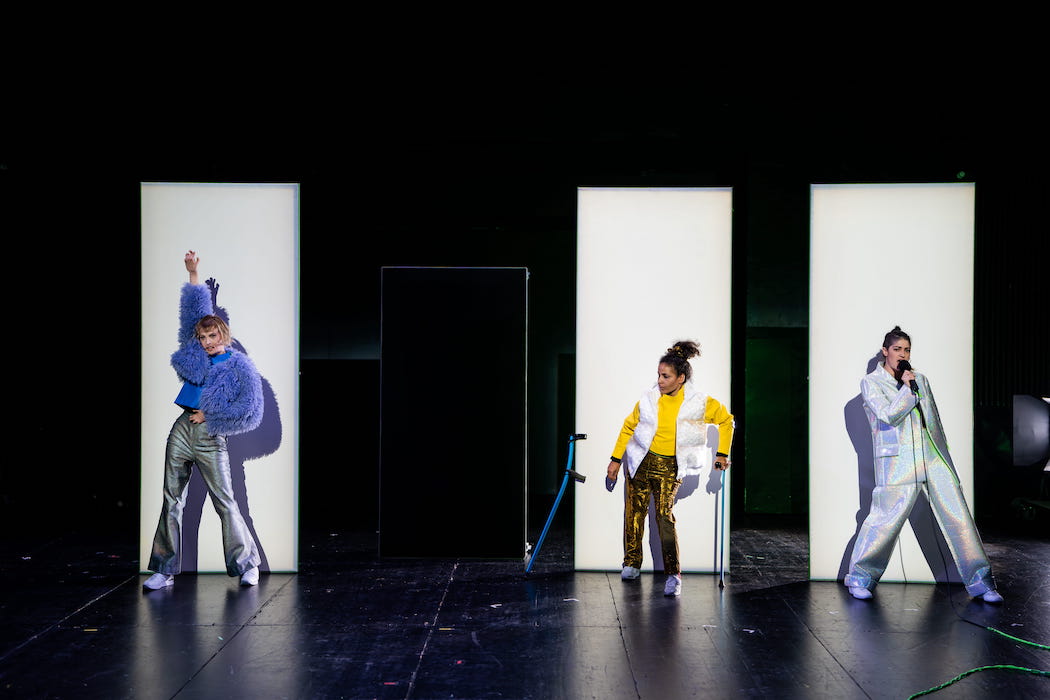
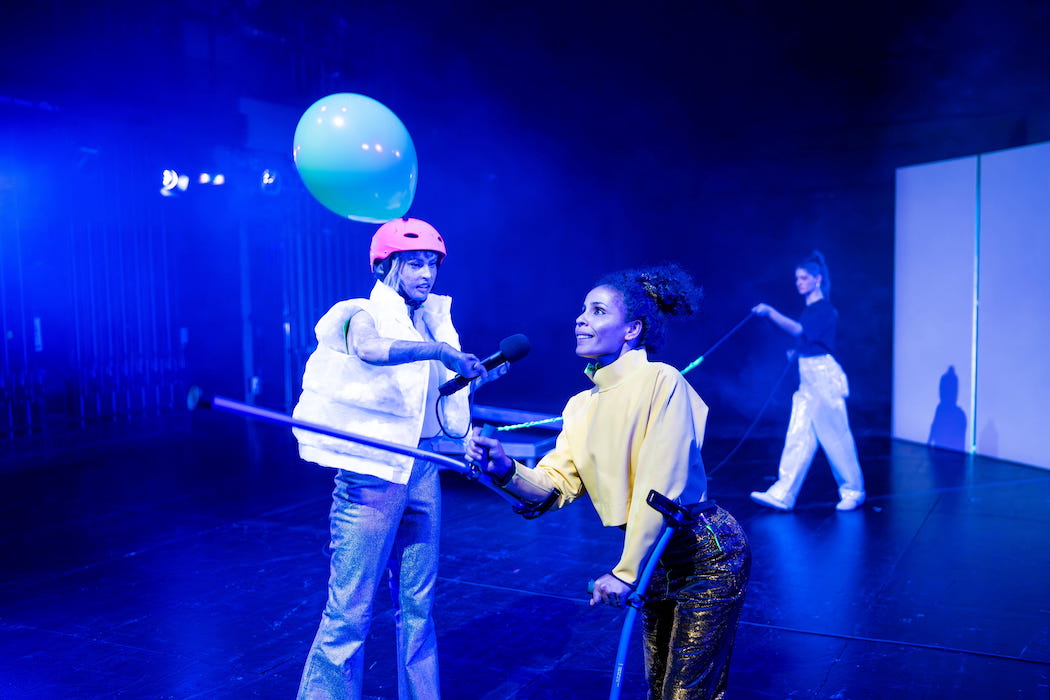
Water glasses, balloons and light bulbs are objects of the most fragile nature. They are shattered on stage by three performers—Alice, Mai (Laila) and Victoria—making heart-stopping sounds of breaking. What is shattered, however, is not just fragile objects but the very definition of fragility itself.
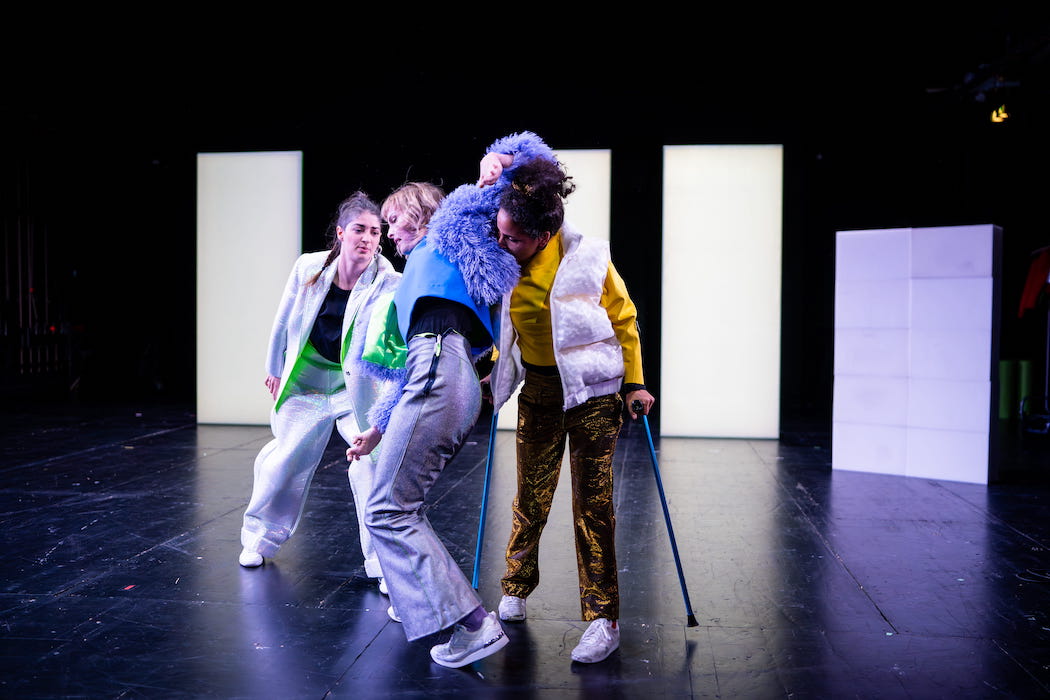
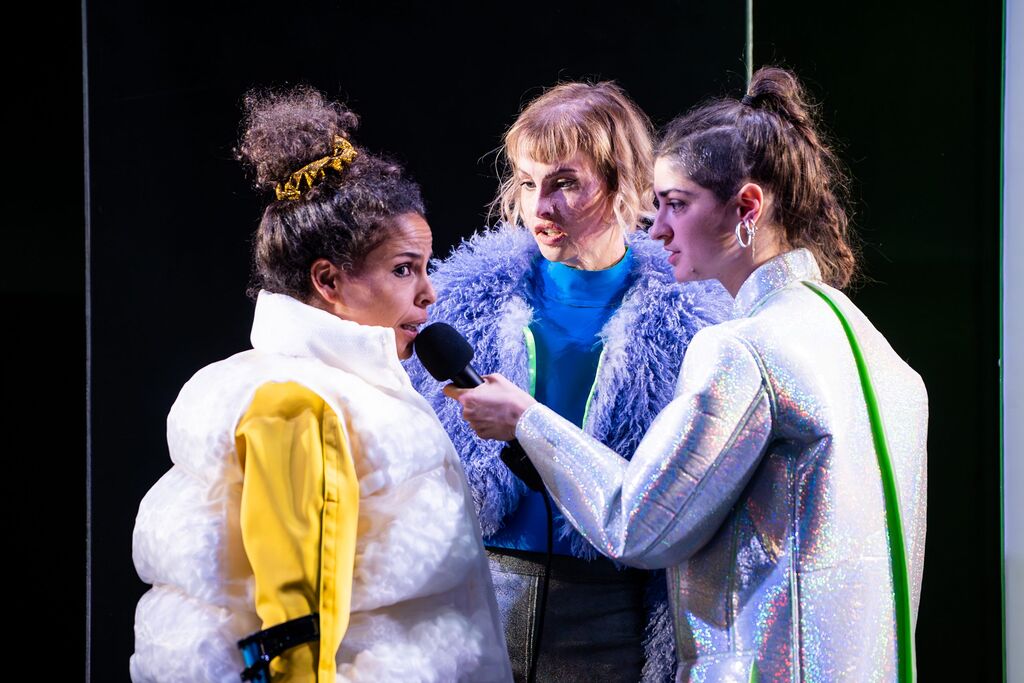
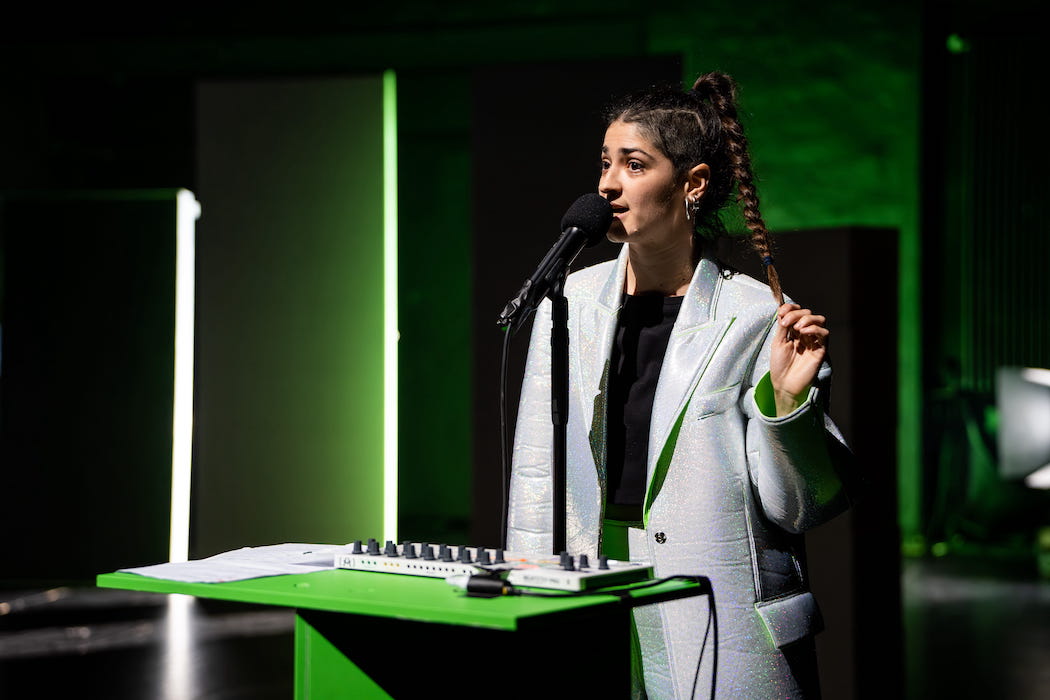
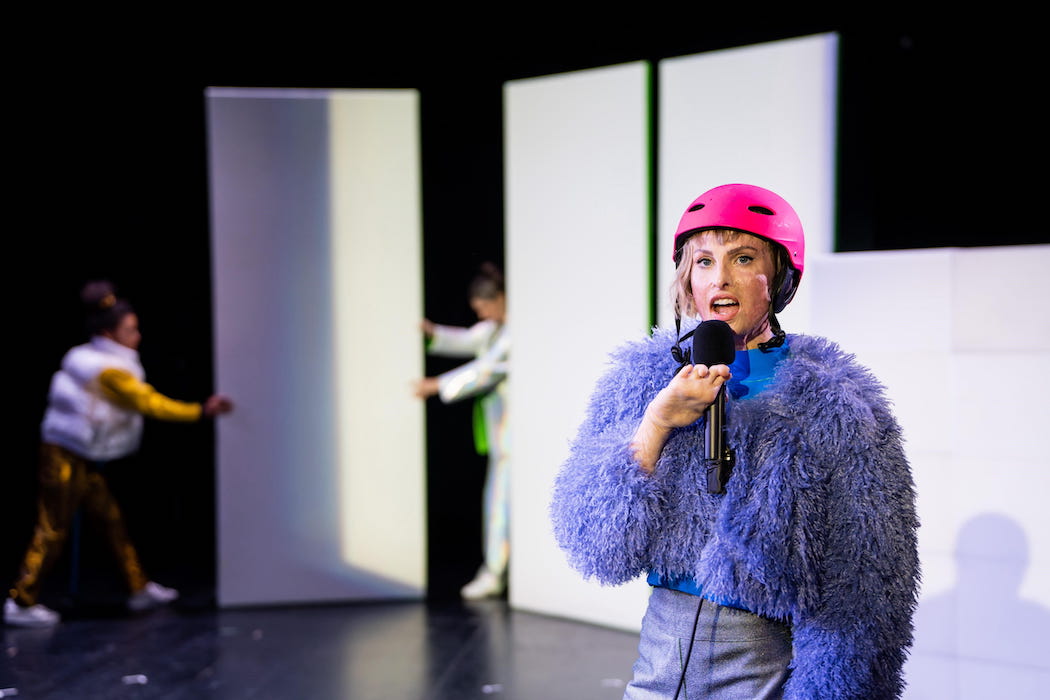
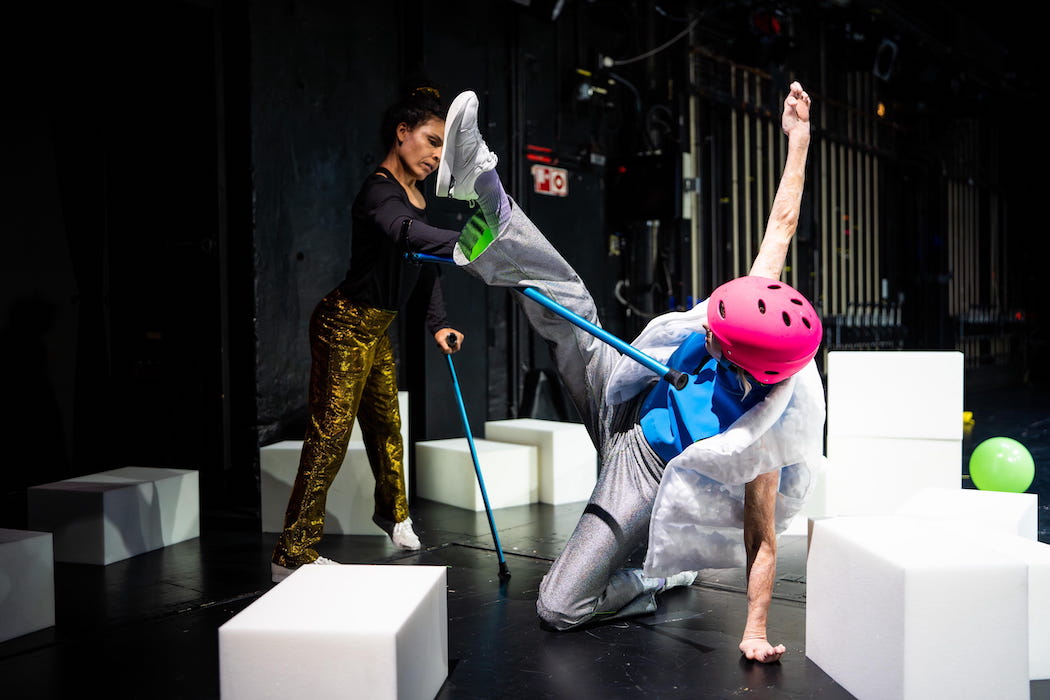
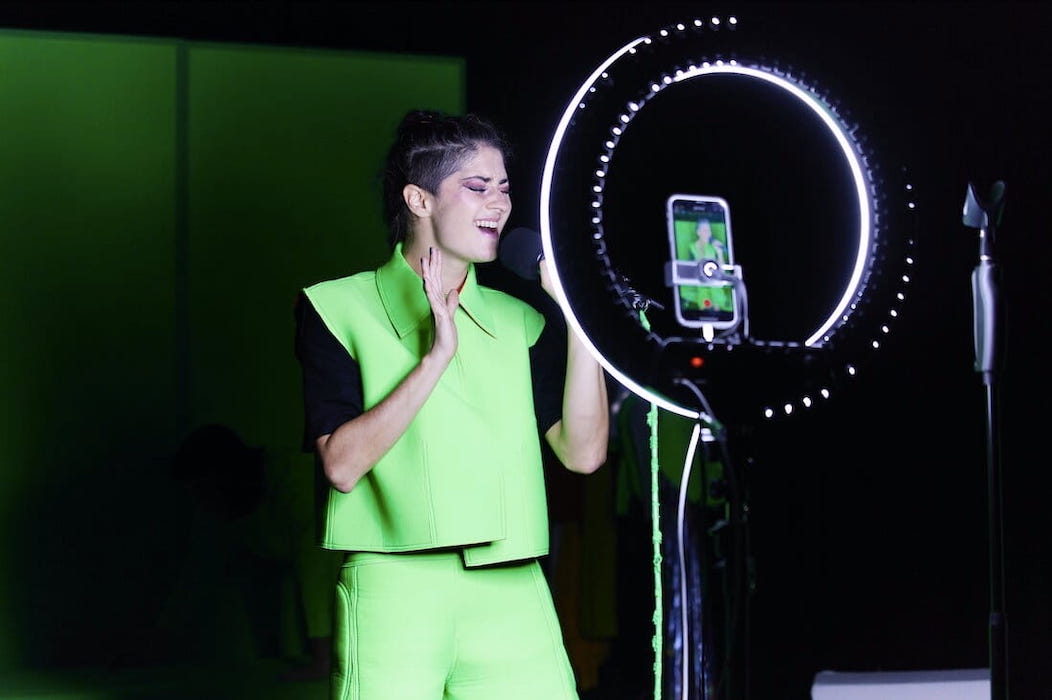
Swiss-based Italian choreographer Alessandro Schiattarella has been practising inclusive creations for about a decade. To him, “fragility” is no longer something to be hidden but a quality to be shared with honesty. Based on the concept of “fragility”, he collaborated with three female performers to create this relaxed per formance blending movements, dance, sound, music and visual projections. On stage, they appear both fragile and indestructible: Alice hears only in one ear, Mai (Laila)’s crutches are her close companions, Victoria’s hands are uneven and her body is “tattooed” with scars. Yet within these fragile bodies dwell the most uncompromising souls. Each narrates her story through monologues and lyrics laced with humour and satire. The sounds of breaking pale when compared to the power of genuine voices.
“Why aren’t we made of brick and stone?”
“What am I not willing to break? My bones?” Humour shatters taboos and barriers.
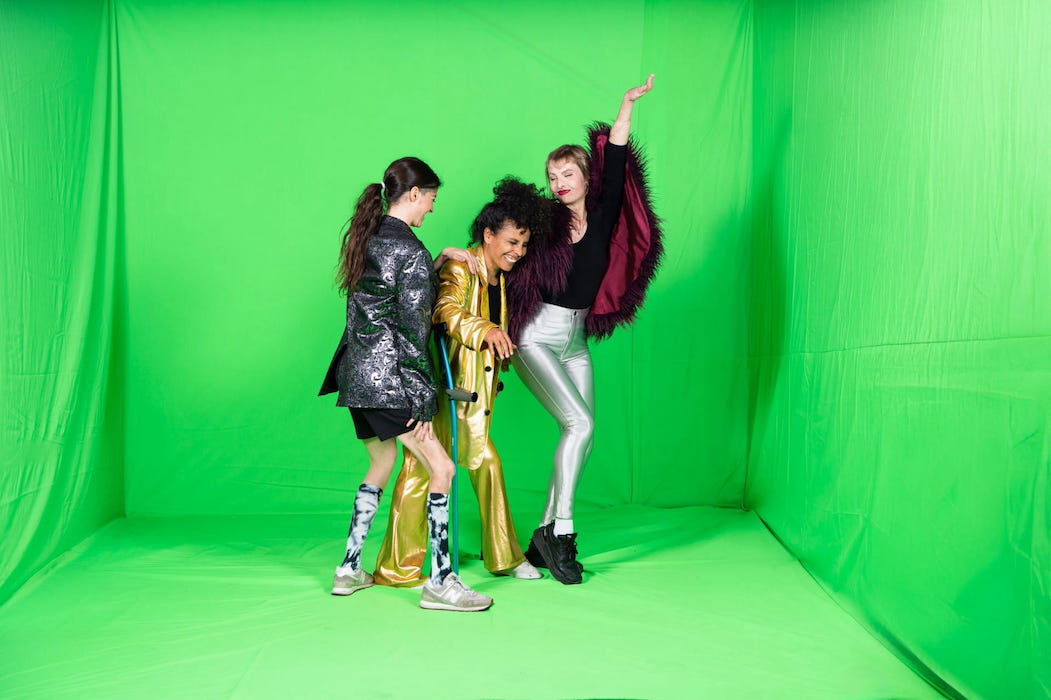
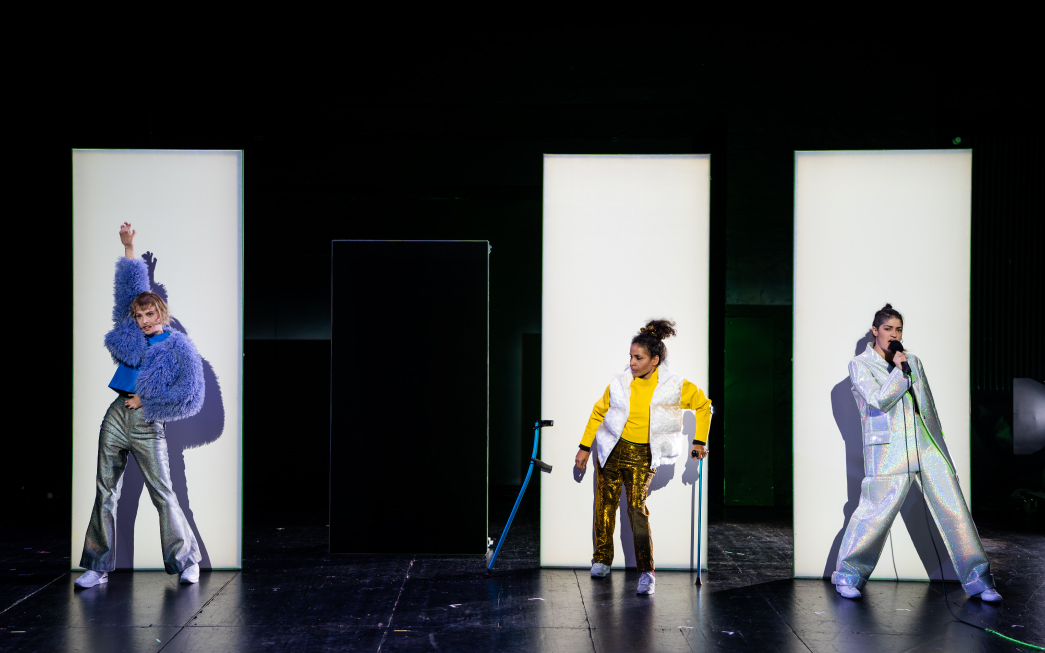
From solo performances to supporting each other physically, moving and dancing, the trio transforms from individuals into one. Schiattarella states, “The creative process began with each person’s ‘imperfections’ and gradually evolved towards ‘mutual reliance’ and ‘unity’. The truth is, when one’s own limitations are being embraced, they become a source of strength.” Finally, the white panels on stage combine into a green screen capable of infinite projections, displaying clownfish, astronauts, mermaids, or indescribable visions. As the screen eventually disintegrates, it reveals to the audience how fragile illusions can be. It is also the moment the three women liberate themselves, imagining who they are with boundless creativity. What matters most is writing your own truth.
The sound of glass shattering is familiar to all of us. But if the glass were gently saved just before it hits the ground, what sound would it make?
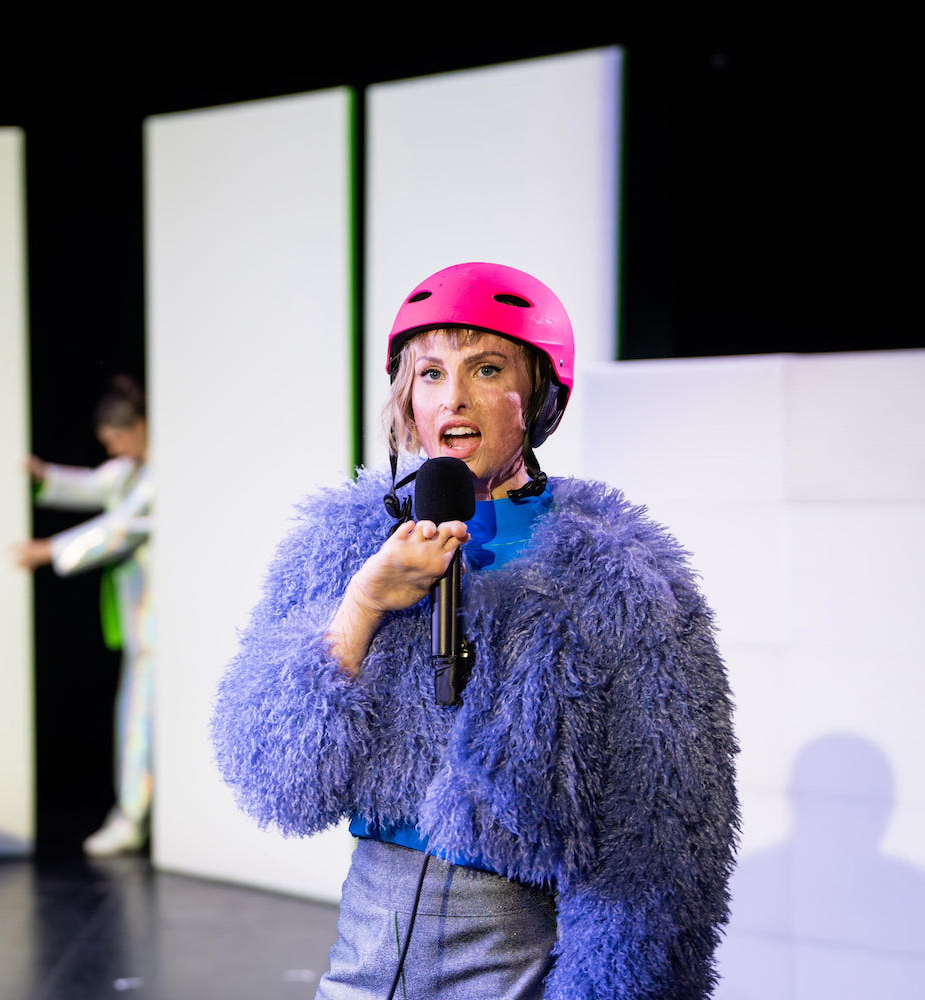
Victoria
“Right now, I am standing in the middle of the stage; above me, there are four lightbulbs hanging. One is a replacement, because Victoria broke it. Now they are hanging very high, so we can make sure that she will not break it again.”
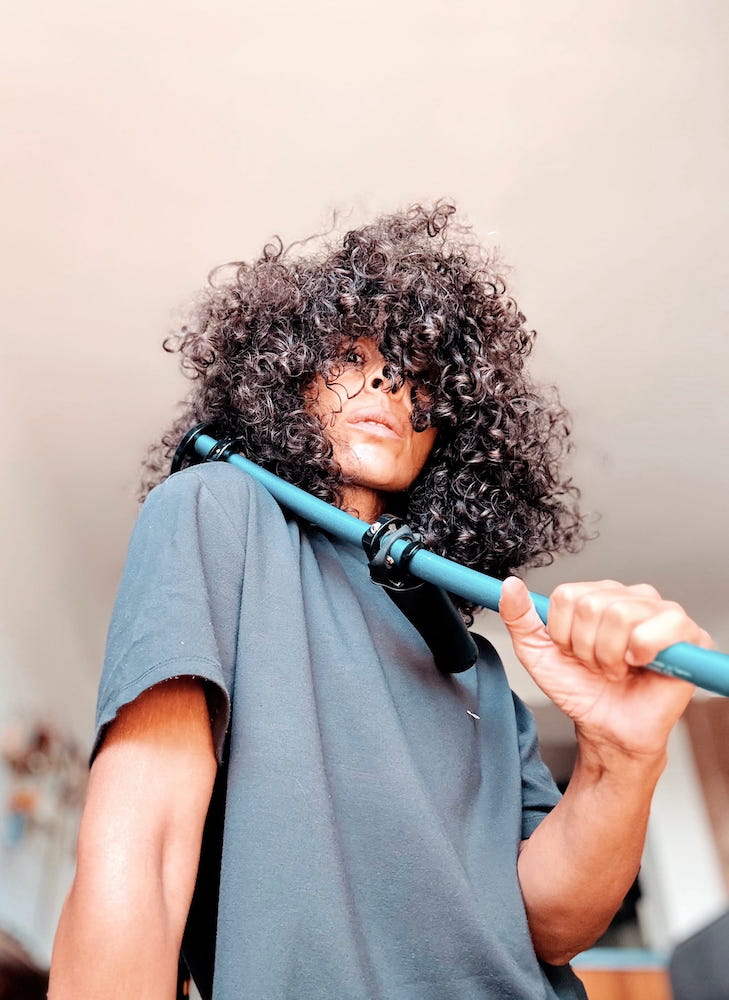
Laila
“How come you assume your opinion counts? How come you don't imagine that I have already doubted myself? Every cell involved within me and my body, I do not know conformity to you. How come you assume your opinion counts? 」”
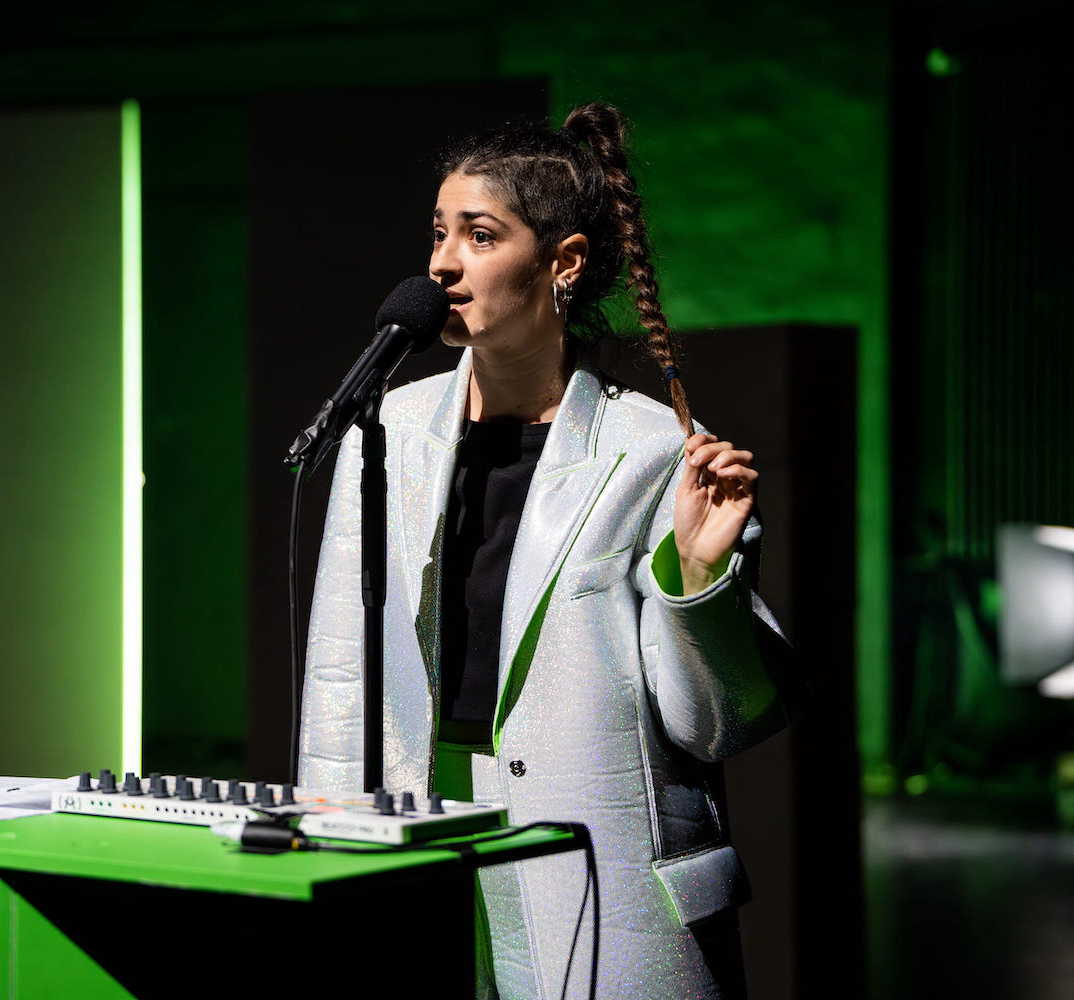
Alice
“The pressure to grow can finally slip away from my body. It will shatter at a moment I choose — refusing to bow to your ways.”
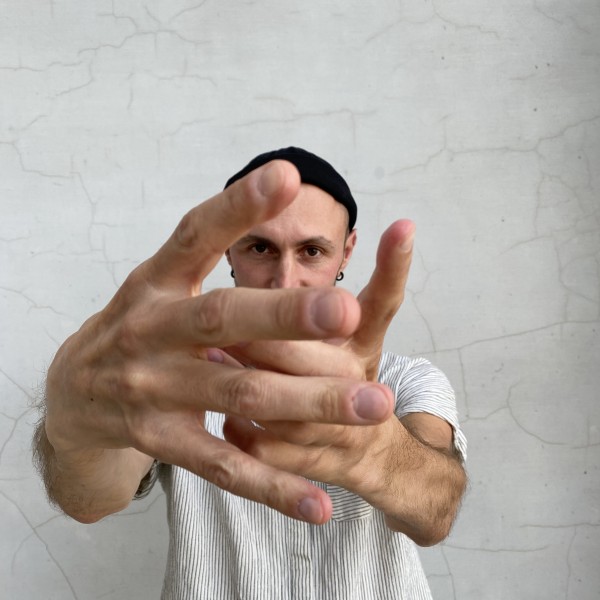
Choreographer
Alessandro Schiattarella
Alessandro Schiattarella is a dancer, choreographer and videographer based in Switzerland. Since the age of fifteen, he has been affected by Hirayama disease, a neuromuscular disability, which slowly reduced the strength in his hands. This didn’t stop him from dancing in international and renowned dance companies such as the Bejart Ballet Lausanne, the Ballet Du Grand Theatre de Geneve, the Scapino Ballet Rotterdam, the Konzerttheater Bern, and the Ballett Basel. Since 2015, Schiattarella has been supported by the Cultural Commission of the City of Basel. His latest production “Altrove” and auto-biographical work “Tell me where it is” was performed in international festivals. Schiattarella has been awarded the Cinema Prize of the Choreographic Captures Competition for the videochoreography “Mani-Cure”(2015).
| Position | Team Member | |
|---|---|---|
| Director & Choreographer | Alessandro Schiattarella | |
| Performers & Choreographers | Victoria Antonova, Alice Giuliani, Laila White | |
| Dramaturgy | Martin Mutschler | |
| Songwriting | Gina ÉTÉ | |
| Musical Director | Richard Schwennicke | |
| Production and Assistant Director | Terry Blühdorn | |
| Production and Assistant Director | Ge Lin | |
| Production Manager | Paula Alonso Gómez | |
| Set Designer | Margarete Albinger | |
| Lighting Designer | Uwe Wegner | |
| Sound & Video Designer | Leon Meier, Markus Schwieger | |
| Costume Designer | Giulia Marcotullio | |
| Lighting Operator | Alessandro Schiattarella | |
| Sound Operator | Eugenio Fabiani | |
| Video and Subtitles Operator | Manuel Justo | |
| Costume Assistant | KE Leu | |
| Costume Intern | Rebecca Stein | |
| Props | Stella Kuprat, Ingmar Mühlich | |
| Xchange Mediation | Matthias Brandt, Daniel Riedel |